History of the House
Blue House Copenhagen has lived many lives. From its early years as a local bakery and konditori to later chapters connected with local publishing, faith, legal services and professional office use, the property reflects more than a century of everyday life, work and community in Kastrup.

The Bakery and Konditori
The earliest known chapter of the property is closely connected with its life as a local bakery and konditori. Historical sources point especially to two master bakers associated with Amager Landevej 25: Enoch Josva Andersen and Kristian Ejnar Lund.
At a time when local shops were closely woven into everyday neighbourhood life, the bakery would have been more than a place to buy bread and cakes. It was part of the rhythm of the street — serving families, workers and passers-by in old Kastrup.


The Master Bakers
Two master bakers are especially connected with the early history of the house. Enoch Josva Andersen and Kristian Ejnar Lund both help document the building’s time as a working bakery and konditori.
Their stories give the property a human beginning — not simply as a building, but as a place of craft, daily work and local service.
A Local Newspaper Chapter
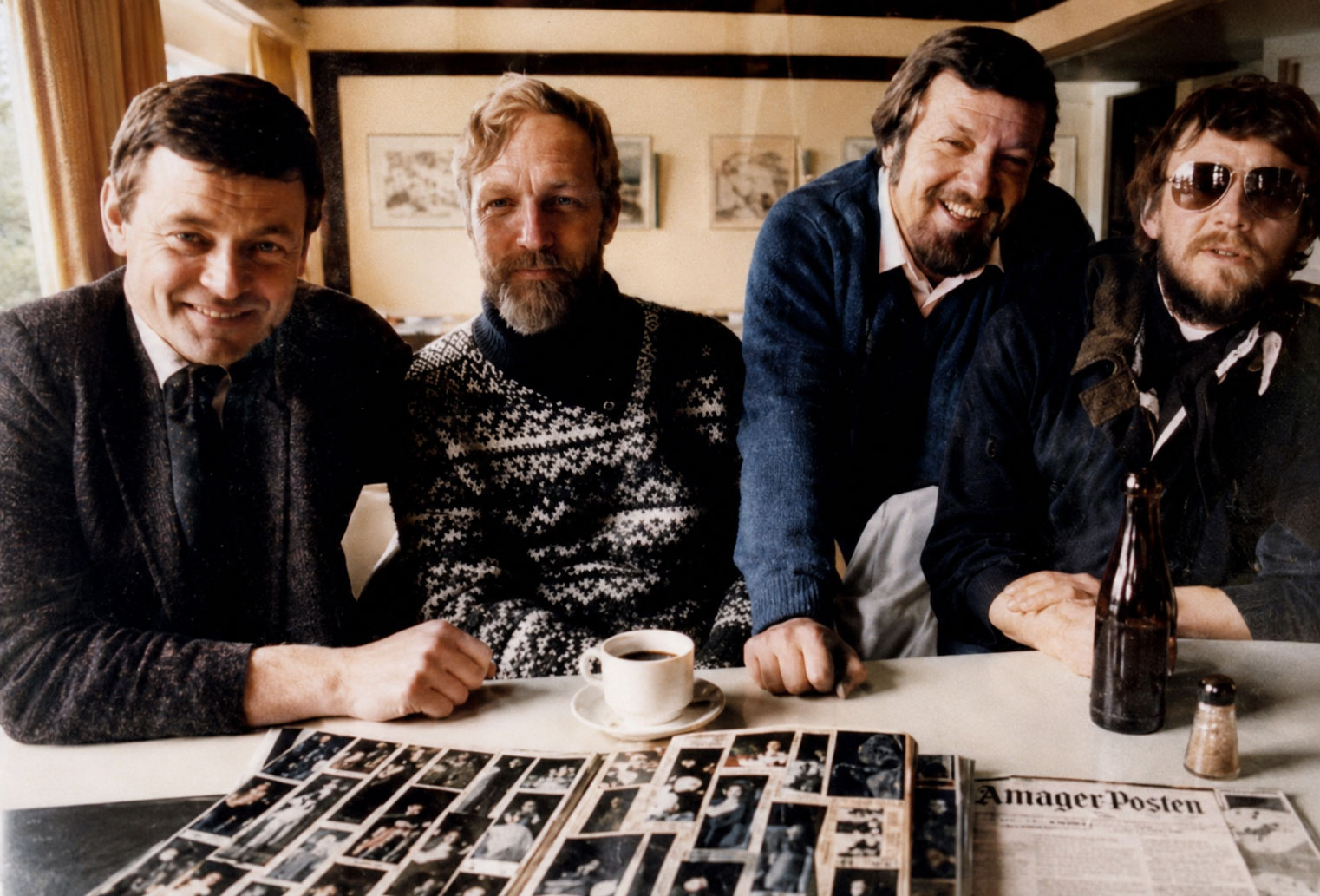
In a later period, the property became connected with local publishing. Amager Posten was registered at Amager Landevej 25, placing the house within the world of local journalism, neighbourhood stories and community communication.
This chapter adds another layer to the building’s history — from producing bread for the local area to helping share local news and everyday life from Amager.
A Pentecostal Free Church
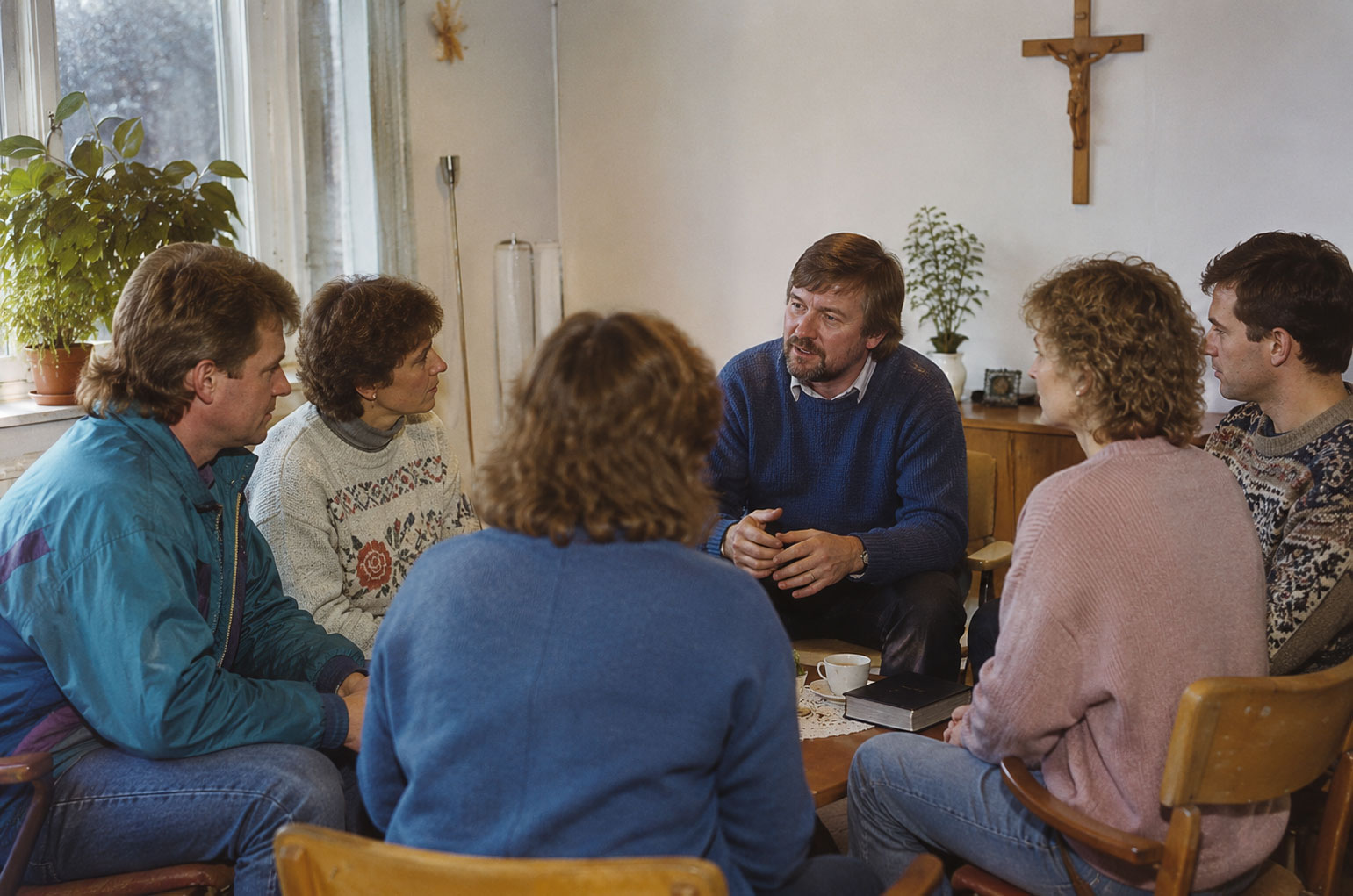
The house later entered a religious chapter, being associated with Pinsekirken in Kastrup. During this period, the property served as a place for meetings, conversation, faith and community.
The intimate scale of the building made it well suited for smaller gatherings, reflecting another side of its flexible and human history.
Legal and Office Use
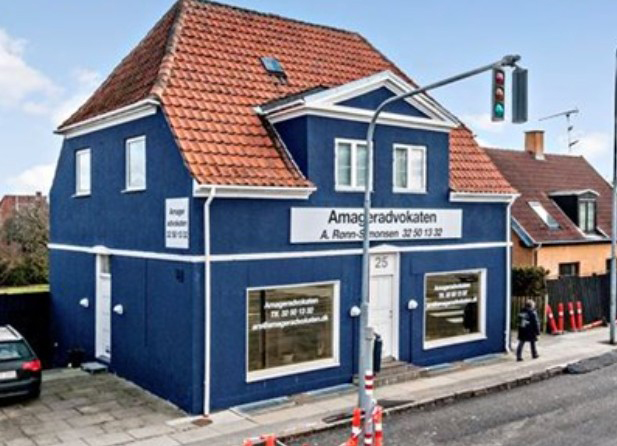
The property was also used for professional office purposes. At one stage, the building housed Amageradvokaten, with the street-facing facade clearly adapted for business use while retaining the distinctive character of the blue house.
In a later period, the address was also associated with an accounting office. Together, these chapters show how the property continued to evolve — from local craft and community use into professional services.
History, Character and Possibility
From bakery and local newspaper to free church, legal services, office use and Blue House Copenhagen, Amager Landevej 25 has always adapted to new purposes. That layered history is part of what gives the property its rare character today — a house with presence, memory and many possible futures.